
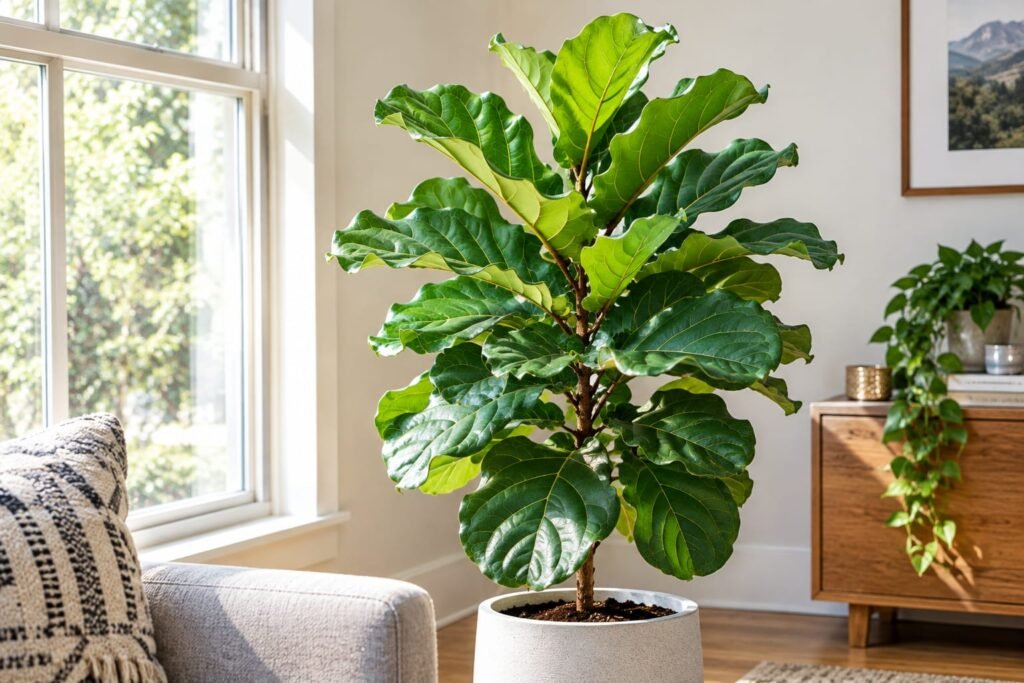
Fiddle-Leaf Fig Plant Overview
You want to learn about Fiddle Leaf Fig Care, it is important to understand this plant’s natural habitat and growing needs. In its natural environment, it can grow up to 40 feet tall, while indoor plants typically reach heights of 2 to 10 feet.The Fiddle-Leaf Fig (Ficus lyrata) is a beautiful plant native to western Africa, where it thrives in lowland tropical rainforests.This plant is known for its large, glossy, leathery leaves with prominent veins, which give it a distinctive and attractive appearance. Its scientific name is Ficus lyrata, and it is commonly called the Fiddle-Leaf Fig because its leaves resemble the shape of a fiddle.
The plant belongs to the Ficus genus and is related to many other Ficus plants. It may also be relevant to searches for Ficus Tree Plants, like Ficus benjamina (weeping fig) .Popular as a decorative houseplant, the Fiddle-Leaf Fig is admired by indoor gardening enthusiasts for its striking appearance, large green leaves, and ability to create a beautiful focal point in a home.
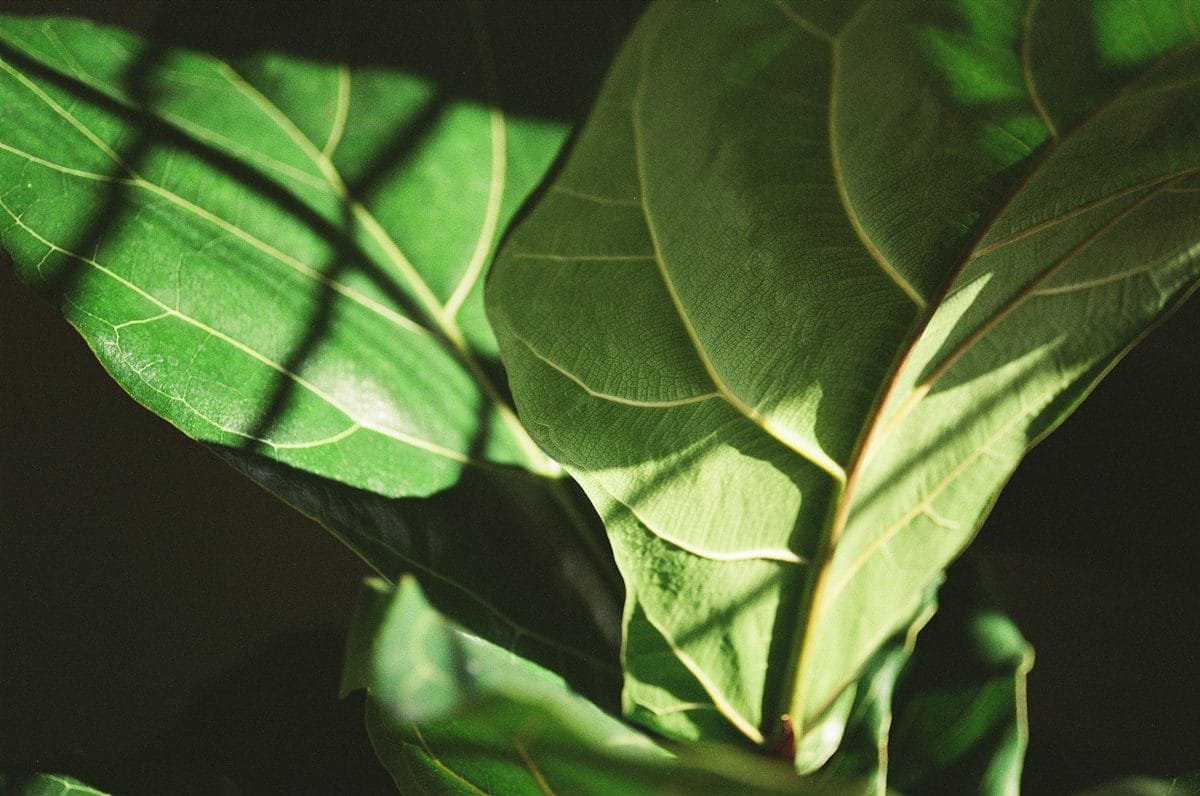
The 'Fiddle Leaf Fig' ( Ficus Lyrata ) is a beautiful houseplant. I am very fond of plants, so one day I decided to visit a nursery to buy a few. There, my eyes fell upon a lovely Fiddle Leaf Fig. Standing about four feet tall, the plant looked absolutely stunning with its delicate leaves and captivating green hue. I was instantly charmed by it and decided to purchase it and bring it home. Two to three weeks after bringing it home, however, most of its leaves developed spots, and the plant began to deteriorate rapidly. Through research and proper care, I managed to restore it to health. Light played a crucial role in its recovery.
If you wish to own this plant, choose a window that receives a good amount of direct sunlight, and place the plant about three to four feet away from it. For a west-facing window, a sheer curtain can help soften the intense afternoon sun. The good news is that the Fiddle Leaf Fig is not difficult to grow, and it develops at a steady pace.
I have conducted thorough research on the care of this plant, and I am now sharing a comprehensive guide with you so that you, too, can keep yours healthy and beautiful. At the time of writing this, my plant is three years old, and I am delighted to share my experiences and care methods with you. So, without wasting any more time, let’s explore in detail how to grow a 'Fiddle Leaf Fig' and the proper methods for its care and Secrets tips.
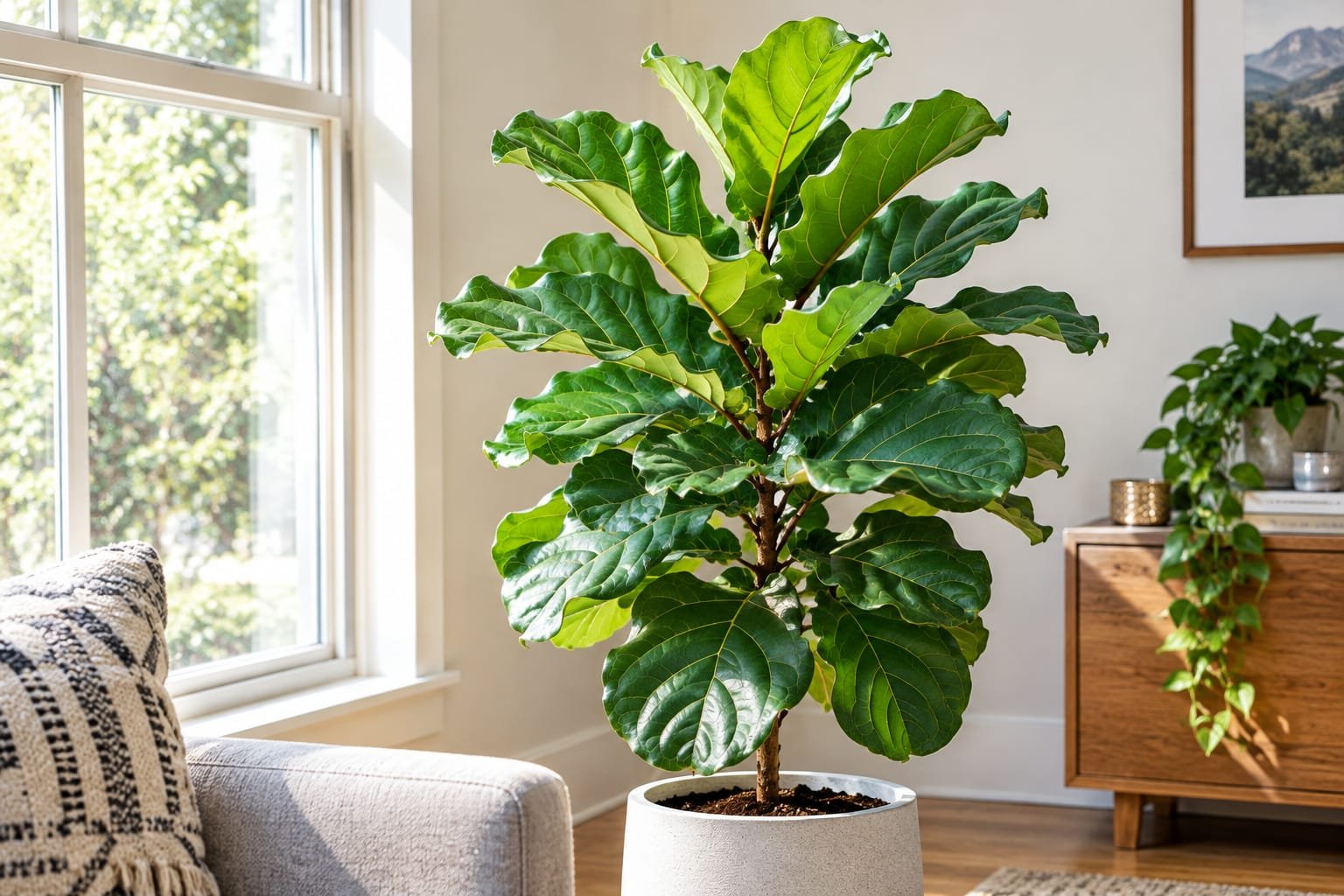
Fiddle-Leaf Fig leaves are shiny with a leathery texture and prominent veins
Caring for a Fiddle Fig Tree
Ready to grow a healthier Fiddle-Leaf Fig(fig tree)? Let’s cover its light, watering, soil, humidity, and other essential needs step by step.
1. Light
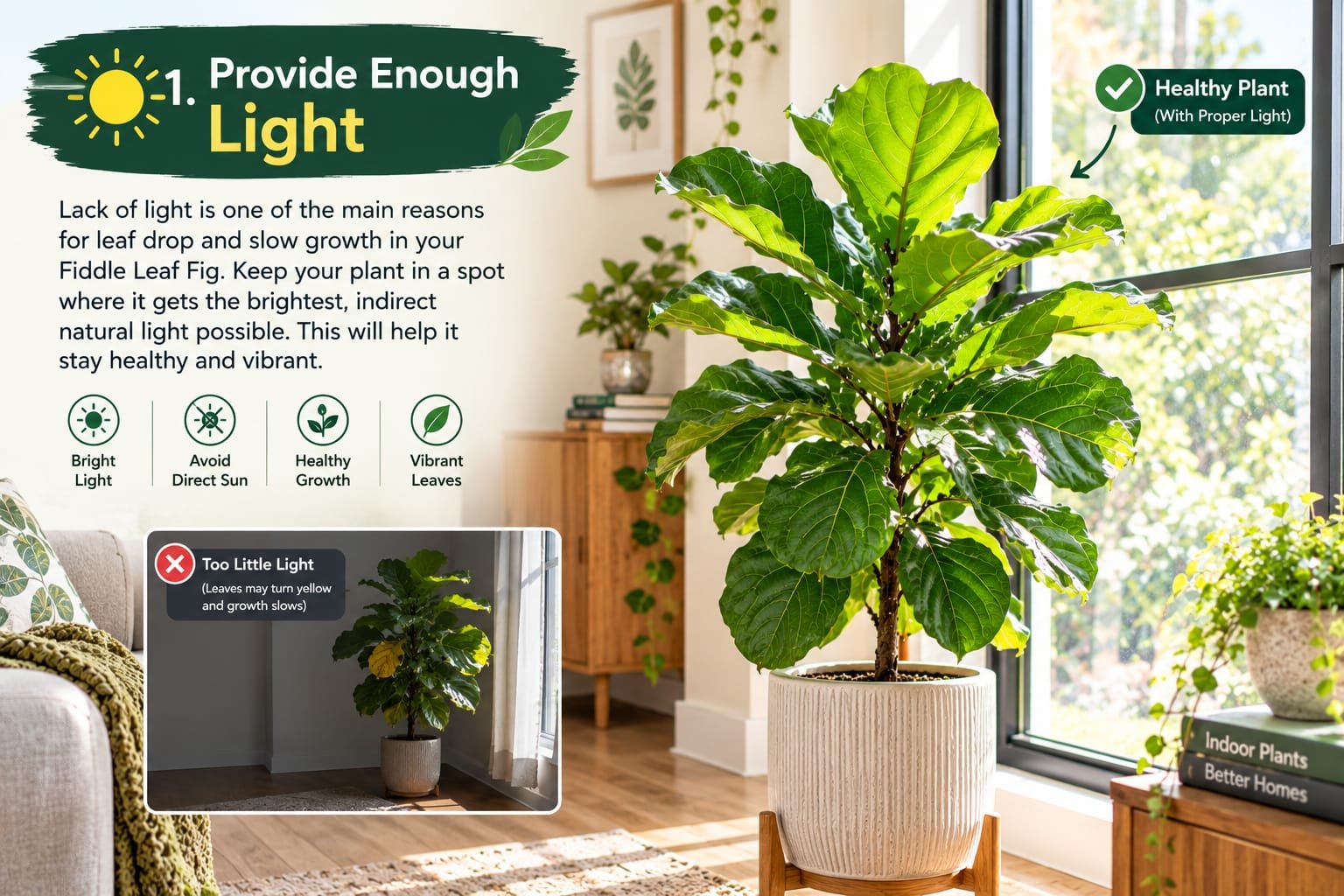
The Fiddle Leaf Fig tree prefers medium to bright, indirect sunlight. Place it approximately 3 feet away from a large south- or east-facing window. If the plant is near a west-facing window, use a sheer curtain to protect its leaves from the intense afternoon sun.
This plant thrives best in temperatures ranging from 65 to 75 degrees Fahrenheit (approximately 18 to 24 degrees Celsius) during the day. Rotate the pot by about a quarter-turn each time you water it; this ensures that all the leaves receive adequate light over time.
You can also keep the Fiddle Leaf Fig outdoors during the summer, but do not move it outside abruptly. Initially, place it in a shaded spot for 2 hours almost a day. After a few days, gradually move it to a location with more light. Throughout this process, keep an eye on the leaves to ensure they do not get scorched by the intense sunlight.
2. Water
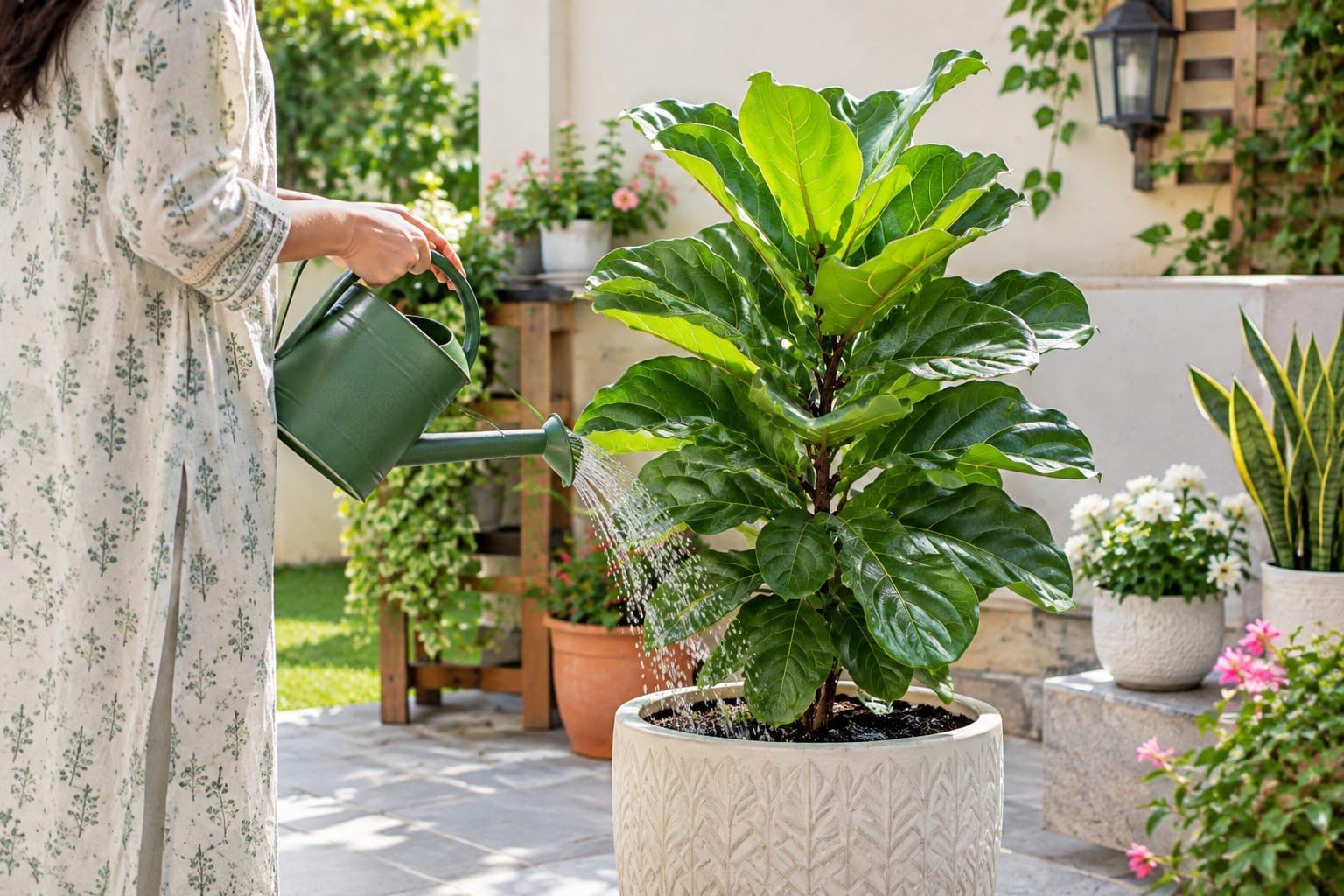
For a Fiddle Leaf Fig to thrive, it is essential to provide the right amount of water. Be careful not to overwater the plant, as this can cause the roots to rot. Always check the soil in the pot before watering. An easy way to do this is to insert your finger about 2 inches into the soil.
If the soil feels dry, it may be time to water the plant; however, if it is still damp, wait a little longer. You can also use a soil moisture meter to gauge the moisture level in the soil. Alternatively, checking the soil with your finger is a simple and effective way to determine whether the plant needs water.
When watering, ensure the soil becomes thoroughly moist and that any excess water drains out through the holes at the bottom of the pot. Empty the saucer beneath the pot so that the roots do not remain submerged in water. Keep in mind that a Fiddle Leaf Fig tree requires water year-round, though the frequency of watering will vary based on the season, light conditions, and how quickly the soil dries out. Regularly checking the moisture level and watering as needed will help keep the plant healthy and promote better growth.
3. Soil
Proper soil, the right pot, and good drainage are essential for healthy growth.
· Best Soil for Fiddle Leaf Fig
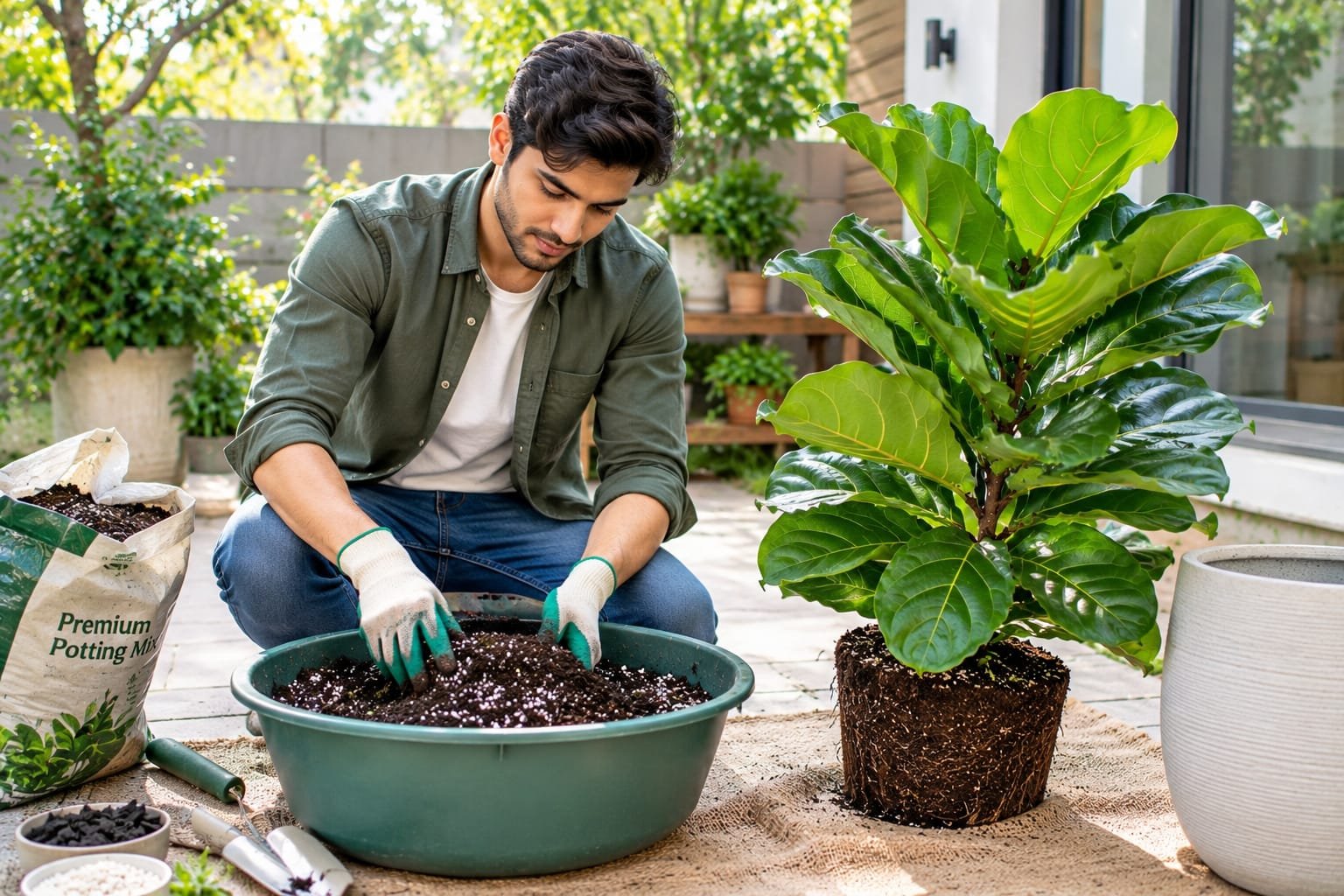
For a Fiddle Leaf Fig Care, use a light, nutrient-rich, and well-draining soil that retains moisture while allowing air to reach the roots. Adding perlite, coco coir, or orchid bark to standard potting soil improves its structure and drainage.
· Repotting and Drainage
When roots begin to grow out of the pot, transplant the plant into a larger container (one size up). Ensure the pot has drainage holes so that excess water can easily escape.
· Soil Maintenance
If the soil becomes compacted, carefully loosen the top layer. Replace heavily compacted soil with fresh potting mix to ensure the fig tree root treatment continue to receive adequate aeration.
4. Fertiliser
A liquid fertilizer with a 3-1-2 formula is a good choice for a Fiddle Leaf Fig, as it provides essential nutrients and supports the healthy growth of its leaves and stems. Alternatively, you can use other balanced fertilizers that contain essential nutrients such as nitrogen (N), phosphorus (P), potassium (K), and magnesium. When selecting a fertilizer, consider its composition in relation to the plant's needs, and always follow the instructions provided on the packaging to ensure that over-fertilization does not damage the plant's roots.
5. Fiddle Leaf Fig Seeds
It is best to plant Fiddle Leaf Fig seeds in the spring or early summer, when temperatures are warm and stable. Sow the seeds in moist, well-draining soil, and maintain adequate warmth and humidity to facilitate germination.
6. Fig Tree Protection
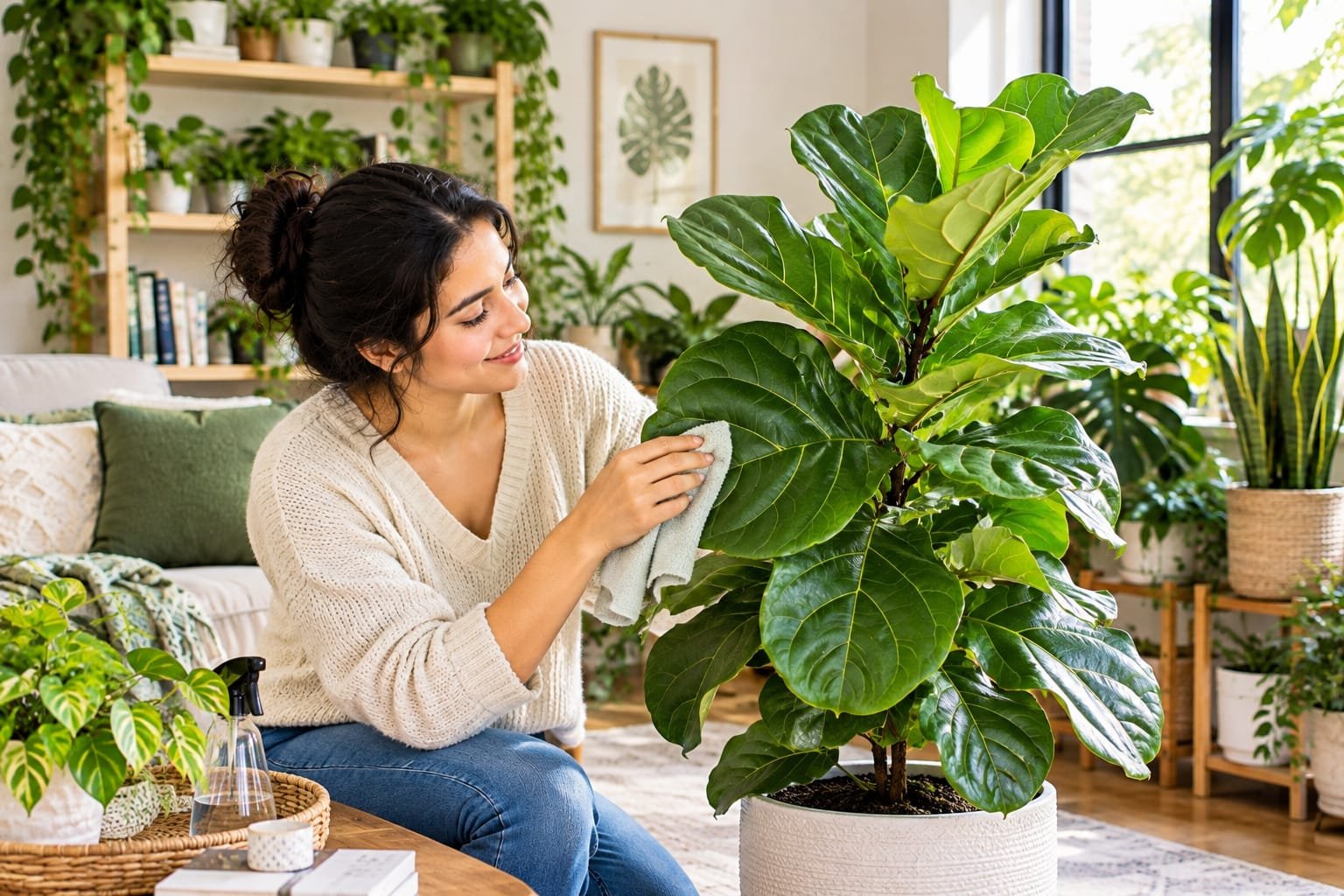
Periodically wipe the leaves of the Fiddle Leaf Fig with a soft, damp cloth to prevent the accumulation of dust. A layer of dust can hinder the absorption of sunlight and interfere with the process of photosynthesis. Regular cleaning helps the plant absorb light more effectively, which promotes healthy growth and keeps the leaves vibrant, shiny, and fresh. When cleaning, wipe the leaves gently to avoid causing any damage.
7. Fiddle Leaf Fig Problems
Here are common problems with Fiddle-leaf fig plants:
. Fig tree dropping leaves
Fig plant losing leaves can be caused by irregular watering, fluctuations in temperature, or a lack of light.
· Fiddle Leaf Fig Leaves Curling
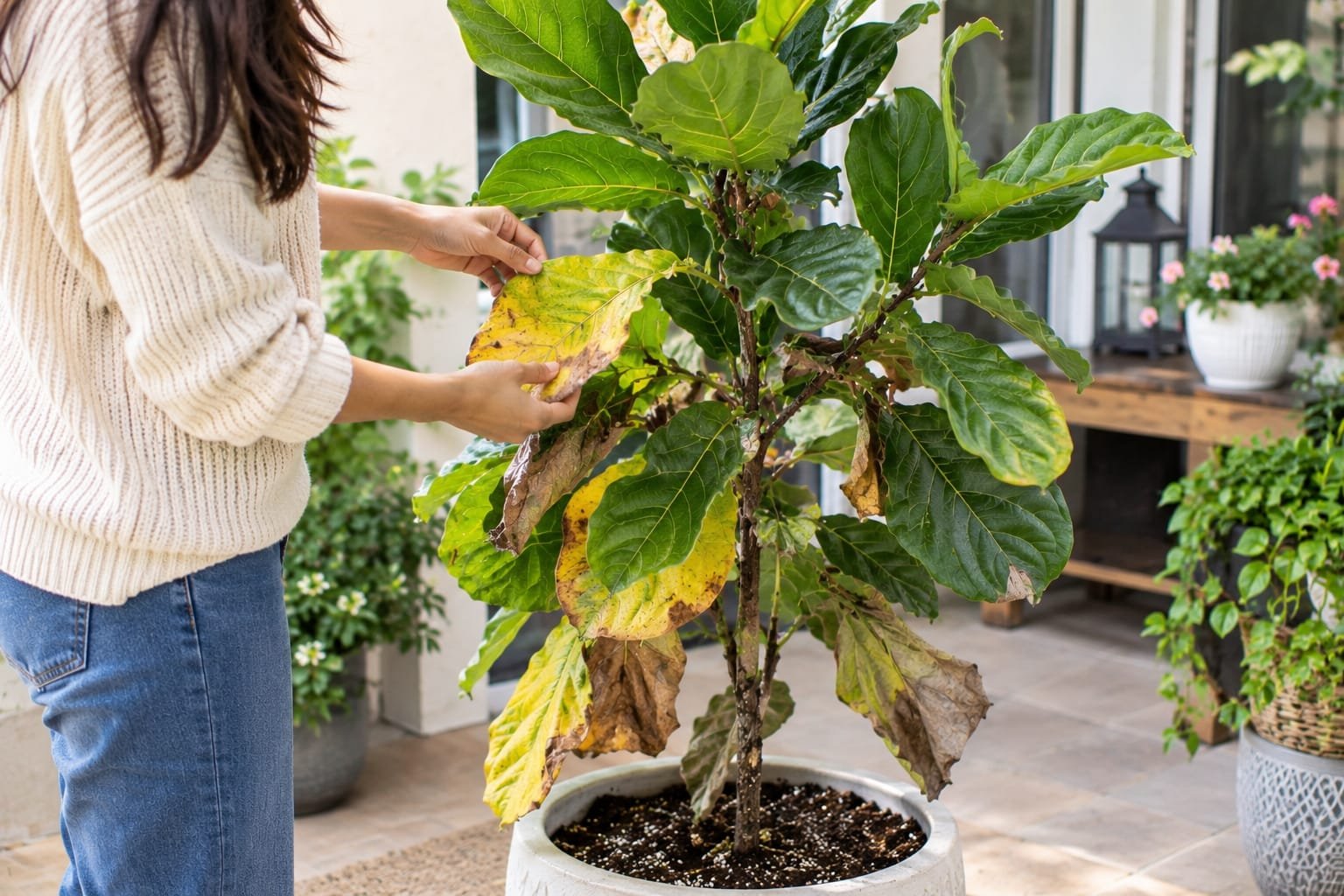
Fig leaves curling up may curl due to under watering or overwatering, low humidity, temperature fluctuations, or pests. To address this issue known as "fig leaf curl" check the soil moisture, water as needed, maintain appropriate humidity levels, and place the plant in bright, indirect light.
· Fig Tree Leaves Turning Yellow
Fig tree leaves turning yellow due to Direct, intense sunlight, insufficient light, or overwatering can lead to the appearance of brown spots on the leaves
· Leggy Growth
If the plant’s branches become long and weak, prune them appropriately and move the plant to a location with more light.
· Scale Insects and Mealy bugs
If you notice small, brown scale insects or mealy bugs on the leaves or stems, carefully clean the affected areas using a cotton ball soaked.
8. Humadity
The Fiddle Leaf Fig is a tropical plant that thrives in an environment with approximately 40% humidity. Adequate humidity helps prevent the tips of the leaves from turning brown and drying out. Additionally, protect the plant from sudden temperature changes, cold drafts, and direct blasts of air from air conditioners to keep its leaves healthy and vibrant.
9. Propagation
How to propagate fiddle leaf fig
Fiddle-leaf fig plants can be propagated by one of three methods:
· By division
. By fig tree cuttings
· By air layering
10. Toxicity
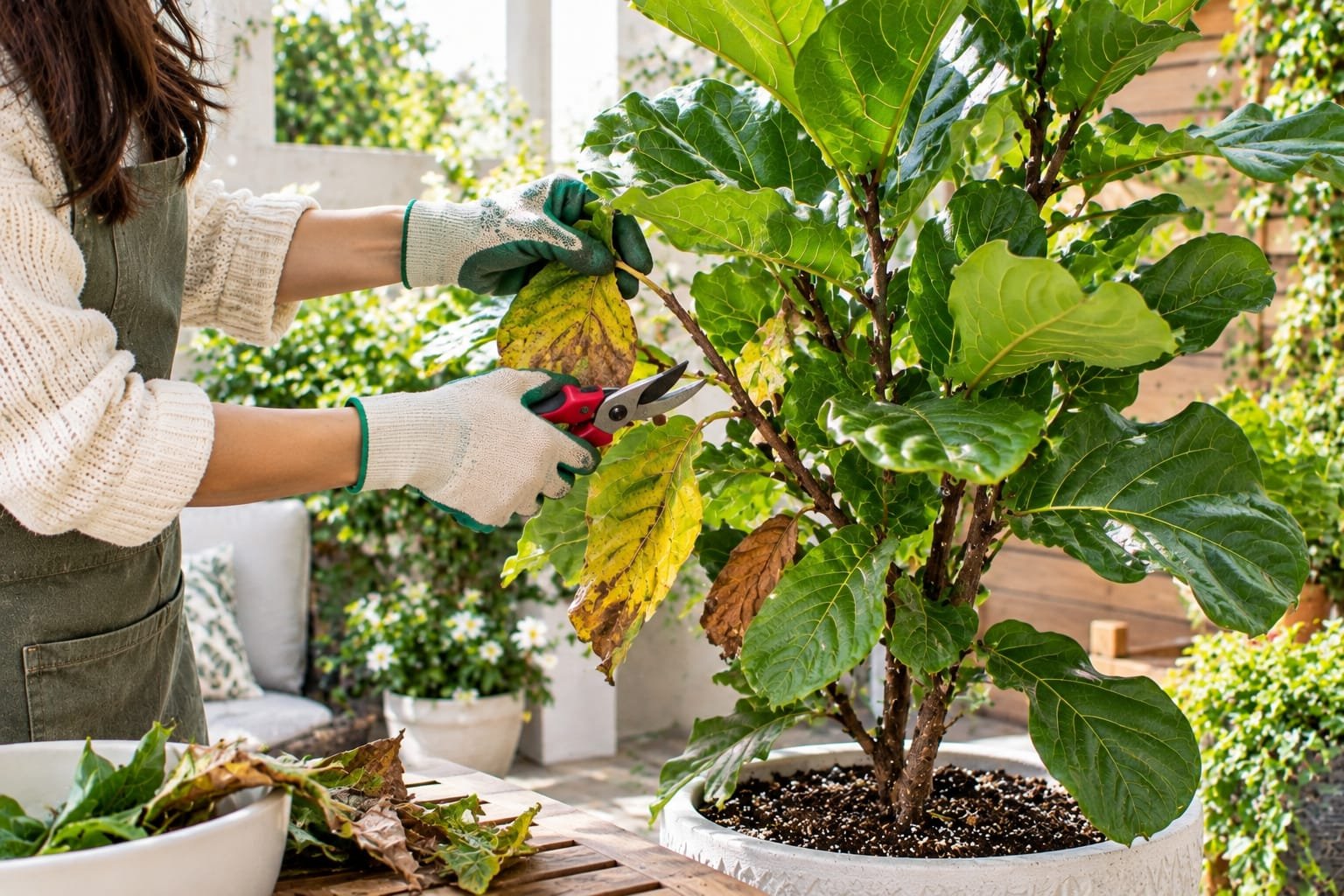
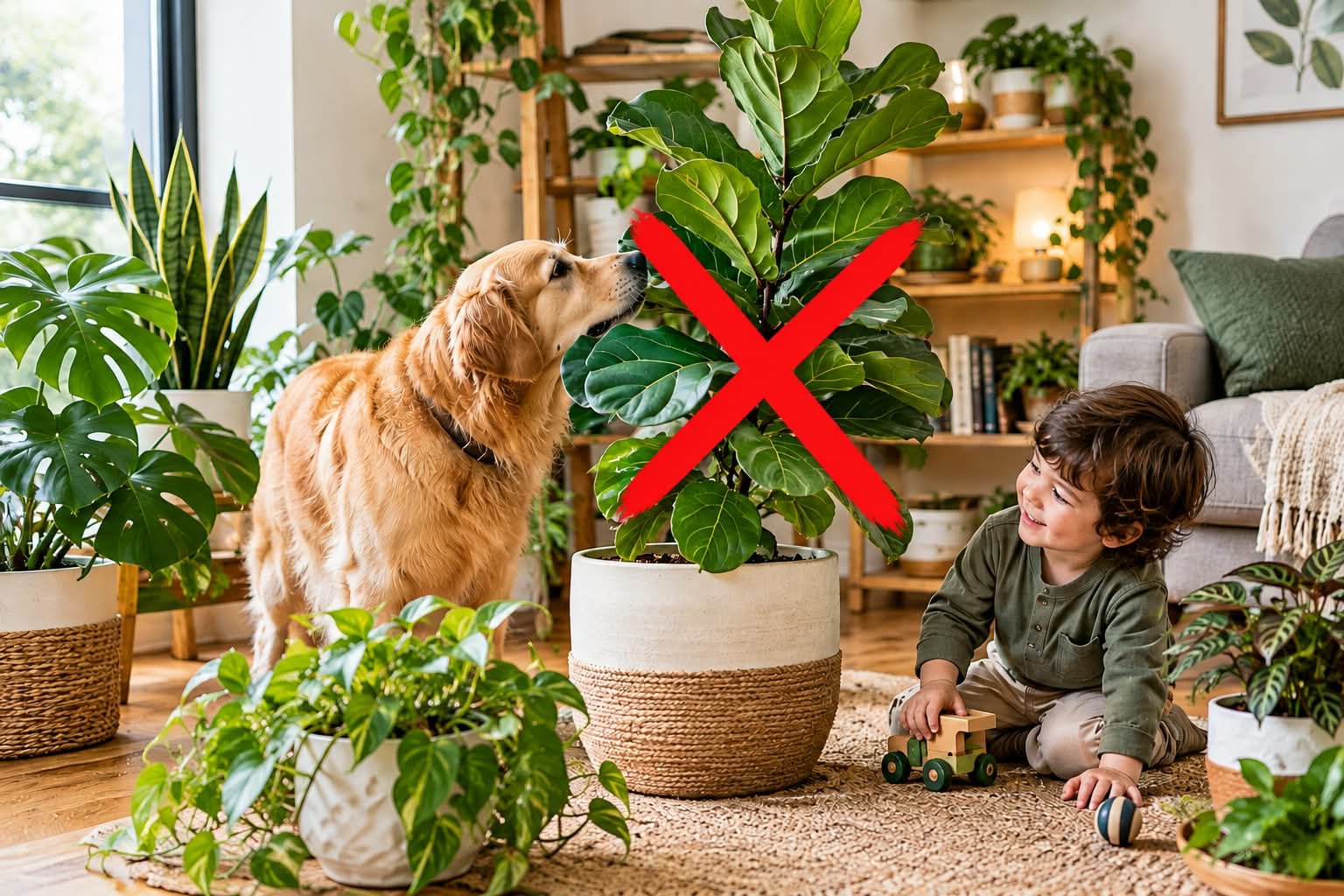
The Fiddle Leaf Fig is a toxic plant; therefore, it should be kept out of reach of children and pets. The milky sap that exudes from its leaves or stems can cause skin irritation, and if chewed or swallowed, it may lead to discomfort in the mouth and stomach. Exercise caution when pruning or caring for the plant, and ensure that the sap does not come into contact with your skin or eyes.
11. 3 Secret Tips for Fiddle Leaf Fig Care
1. Avoid insufficient light
A lack of light is a primary reason for leaf drop and stunted growth. Place your Fiddle Leaf Fig in a spot within your home that receives the brightest, indirect natural light to ensure the plant remains healthy and vibrant.
2. Keep the leaves clean
The plant's leaves function much like solar panels. When dust and grime accumulate on them, it hinders their ability to perform effectively. Check the leaves whenever you water the plant; if they appear dusty or dull, gently clean them. Use a suitable product for leaf cleaning if necessary.
3. Check soil moisture before watering
Allow the soil in the pot to dry out to a depth of about one-quarter to one-half before watering again. You can check the moisture level by inserting your finger a few inches into the top layer of the soil. If the soil is still damp, wait a few days before watering. Once the soil has dried out sufficiently, go ahead and water the plant. You may also use an appropriate plant food as needed.
Summary Growing and Caring for a Fiddle-Leaf Fig
There you have it, the complete guide to growing and caring for a Fiddle-leaf fig plant. As with most plants, the key to success is good light, good soil, and proper watering and fertilization. In addition, how fast your Fiddle-leaf fig grows is a factor of caring for it properly. I hope your Fiddle-leaf fig plant bring you as much joy as mine bring me.
If you have any questions about Fiddle Leaf Fig care, growing tips, watering, sunlight, pruning, or common plant problems, feel free to ask in the comments below or contact us for further guidance. We are always happy to help you learn more about caring for your Fiddle Leaf Fig and keeping your plant healthy and beautiful.
Frequently Asked Questions About Fiddle Leaf Fig Care
1. How Much Light Do Fiddle Leaf Fig Need?
A Fiddle Leaf Fig grows best in bright, indirect sunlight, preferably near a south- or east-facing window.
2. How Often To Water a Fiddle Leaf Fig?
Water your plant when the top 2 inches of soil feel dry, and always allow excess water to drain out.
3. What Is the Best Soil for a Fiddle Leaf Fig?
Use lightweight, nutrient-rich, well-draining soil mixed with perlite, coco coir, or orchid bark.
4. What Temperature Is Best for a Fiddle Leaf Fig?
Fiddle Leaf Fig plants prefer temperatures between 65°F and 75°F (18°C–24°C).
5. Why Is My Fiddle Leaf Fig Dropping Leaves?
Leaf drop can result from irregular watering, sudden temperature changes, insufficient light, or environmental stress.
6. Why Are My Fiddle Leaf Fig Leaves Turning Yellow?
Yellow leaves can be caused by overwatering, insufficient light, or exposure to intense direct sunlight.
7. How Can I Propagate a Fiddle Leaf Fig?
You can propagate a Fiddle Leaf Fig through stem cuttings, air layering, or division.
8. Are Fiddle Leaf Fig Toxic to Pets?
Yes, Fiddle Leaf Fig plants are toxic to pets and can cause irritation if their leaves or milky sap are chewed or swallowed.
9. How To Care Fiddle Leaf Fig plant?
Clean the leaves regularly with a soft, damp cloth, provide enough indirect light, and check soil moisture before watering.
10. What Are the Three Secret Tips for Fiddle Leaf Fig Care?
Provide enough indirect light, keep the leaves clean, and always check soil moisture before watering.
11. How Do You Care for a Prayer Plant?
Prayer plants need bright, indirect sunlight, well-draining soil, regular watering, and good humidity. Read our complete Prayer Plant Care Guide to learn more about growing this beautiful indoor plant.